


IV Nutrition Therapy Explained: How Nutrients Enter Your Body & Why It Matters
We often hear people say they eat well but still feel tired. The truth is, food alone may not always deliver nutrients the body can use easily. Stress, irregular sleep, gut issues, or poor absorption can all limit how much nutrition actually reaches the cells. That’s where IV nutrition therapy steps in — a medical method that feeds vitamins, minerals, and antioxidants straight into the bloodstream for faster results.
In simple terms, IV stands for intravenous. It means the nutrients are given through a drip that goes directly into your vein. When we take supplements by mouth, a large part is lost in digestion. The stomach acid and liver break down much of it before it can reach the blood. IV therapy skips this process, allowing every drop of what’s infused to reach the tissues where it’s needed most.
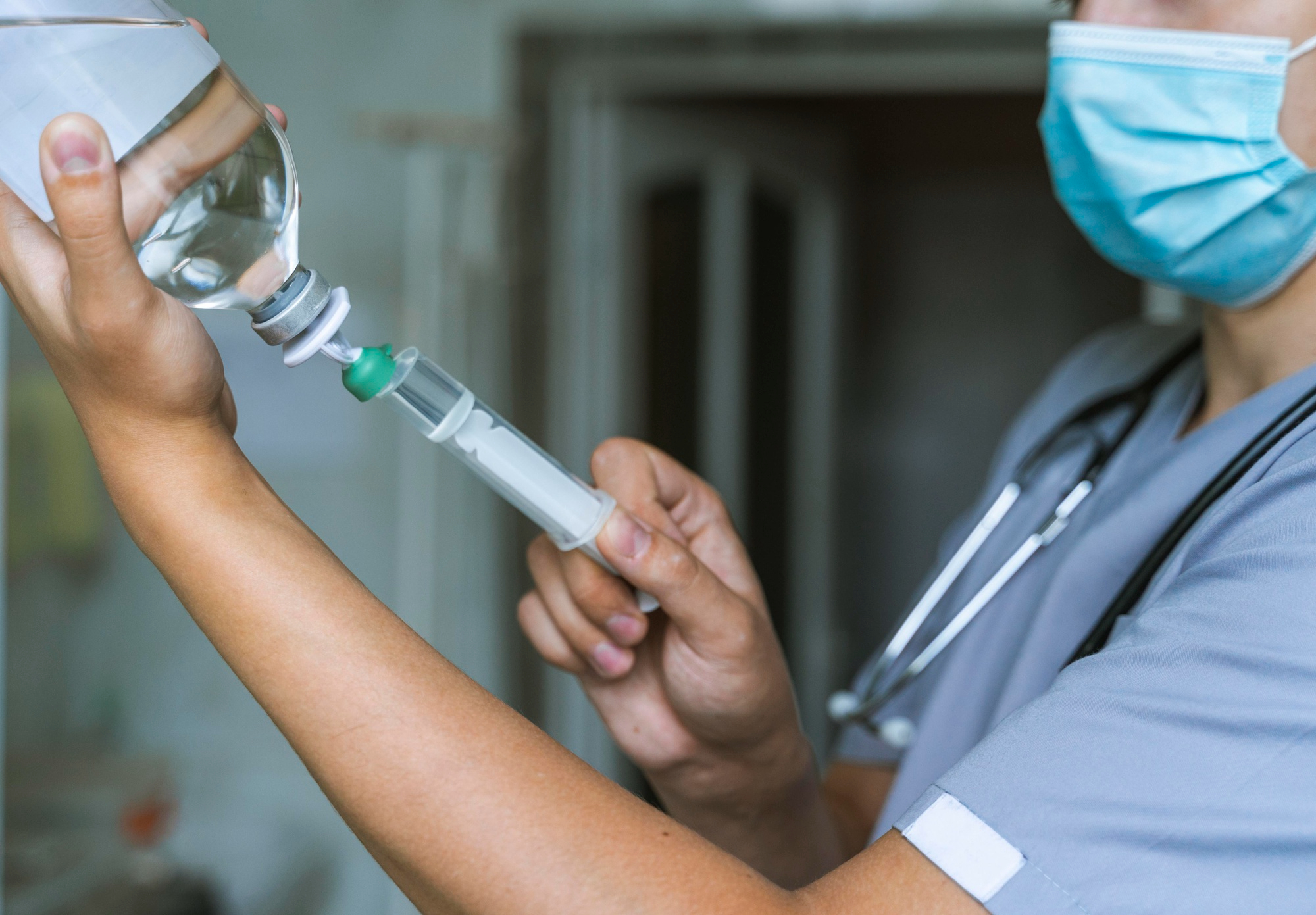
The session itself is calm and routine. A healthcare professional inserts a small cannula, connects the drip, and lets the solution flow slowly over thirty to sixty minutes. During that time, your cells receive a steady dose of hydration and nutrition. There’s no discomfort, and most people feel relaxed enough to scroll through their phone or read while it runs.
The ingredients depend on the purpose. Some formulas are designed for fatigue and stress recovery, while others target skin glow, immunity, or workout recovery. Common nutrients include vitamin C for antioxidant repair, B-complex for energy, magnesium for muscle relaxation, and trace elements like zinc and selenium to support immunity. Each bag can be customized — which is why it’s done under medical guidance, not as a salon drip or trend.
What people usually notice after a session is subtle but real — better alertness, softer skin, reduced bloating, or a general lift in energy. Because the nutrients reach the bloodstream directly, results show faster compared to tablets or powders. For some, especially those with gut absorption problems, IV therapy becomes a more reliable way to restore balance.
That said, it’s not a replacement for food or medical treatment. A balanced diet, good sleep, and exercise still remain the foundation. IV nutrition works best when it complements these habits, not replaces them.
Safety depends entirely on where and how it’s done. The setup must be sterile, the infusion personalized, and the patient screened for any medical conditions or allergies. A qualified doctor or trained nurse must always be present. Done correctly, the therapy is safe and often refreshing.
At Dr. Karthik Raja’s clinic, IV nutrition therapy is planned like any medical treatment — assessed, monitored, and adjusted to individual needs. The goal isn’t instant energy alone, but long-term wellness. For those who feel drained despite good habits, IV therapy can give the body the push it needs to recover and function at its best.
When nutrients reach where they’re meant to go, the difference isn’t just visible — it’s felt from within.